


Dear Reader
This August, India saw the highest average temperature since record-keeping began in 1901. Nights are getting warmer as well, affecting people’s ability to recover from heat stress. At the same time, Chitrakoot in Madhya Pradesh is flooded, and earlier in the season, Assam and Himachal Pradesh have seen floods or flood-like conditions.
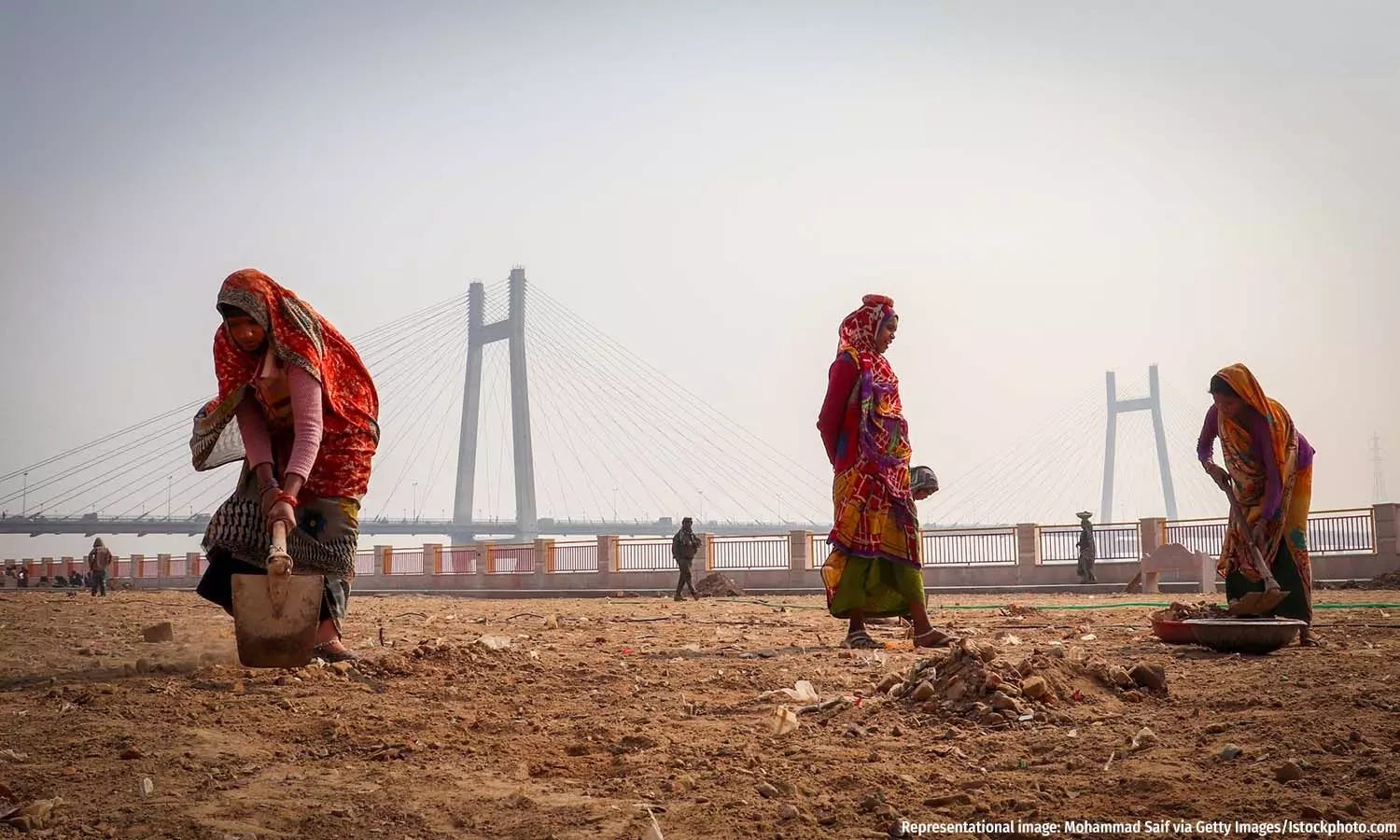
These conditions are now getting more frequent. But India’s new labour codes do not once mention climate change. Extreme weather affects workers’ health and incomes, and the rationalised labour codes provided an opportunity to ensure protections.
Women are particularly vulnerable to the impacts: They are concentrated in agriculture, domestic work and home-based work—all of which are highly exposed to climate risks. In manufacturing, women are overrepresented in smaller enterprises in the lower tiers. In a four-part series starting today, we look at the impact of this climate blindspot.
Elsewhere, India is recording more H1N1 cases this year, and doctors say they are seeing more severe symptoms right at the onset. A flu shot can help reduce severity, but few Indians actually take it.
Missing protection
In May, the Union government notified rules to implement its new labour codes: the Code on Wages, the Industrial Relations Code, the Code on Social Security, and the Occupational Safety, Health and Working Conditions (OSH code). None of these mention climate change.
The OSH code replaces 13 laws, including the Factories Act, 1948. The Code tasks the Union government with declaring standards for occupational safety and health concerning physical, chemical, biological and any other hazards.
In comparison, it says the government “may” prescribe for providing on issues such as ventilation, temperature and humidity, potable drinking water, and prevention of overcrowding.
Labour is a concurrent subject, which means the states can fill the gaps. We reviewed the rules or draft rules for 36 states and Union territories, and found:
Most states do not have specific protections for women, except in the case of work during the nights, or for hazardous work.
None of the states specify a general temperature standard for the workplace. Karnataka and Tamil Nadu set a numerical maximum of 29°C, but only for compressed-air work, while some others are qualitative or process-specific standards.
Ventilation is largely mentioned in the context of submitting plans.
Chandigarh’s rules acknowledge occupational heat exposure’s impacts on health and productivity, calling for monthly monitoring of heat stress and core body temperature, and yearly kidney ultrasound tests to check any renal anomalies.
No state calls for changing working hours in response to a heatwave or extreme weather. Chandigarh requires heat-related rest and hydration.
The social security code provides for provident fund and insurance, but there are no protections from climate risks. Even these are out of reach for India’s large informal workforce. The industrial relations code has strict rules to declare a strike, and experts say bargaining for protections is also fraught with risks.
Rohini Krishnamurthy explains in the first of a four-part series.
Worth a shot
Twenty-seven-year-old Aarti Rawal (name changed) took a flu shot for the first time in 2025, after recurrent bronchial attacks exacerbated by winter pollution. This year, she got her family to take the vaccines as well. Despite frequent travel within India and abroad, Rawal noticed that she was not falling sick as much as before, which, she said, “was a welcome relief”.
This year, the country is seeing a higher number of H1N1 cases. “Patients are experiencing severe body ache from the onset itself and high fever (103-104 degrees F), besides the usual flu symptoms,” Anupam Prakash, director professor and head, Department of Medicine at the Lady Hardinge Medical College & Associated Hospitals, Delhi says.
India does not have reliable estimates of influenza mortality. A 2020 study that used 2010-13 data suggests 125,000 deaths annually, half of them older adults.
While the influenza vaccination is readily available in India, only 1.5% adults aged 45 or older had ever taken the vaccine, according to the Longitudinal Ageing Study in India 2017-18.
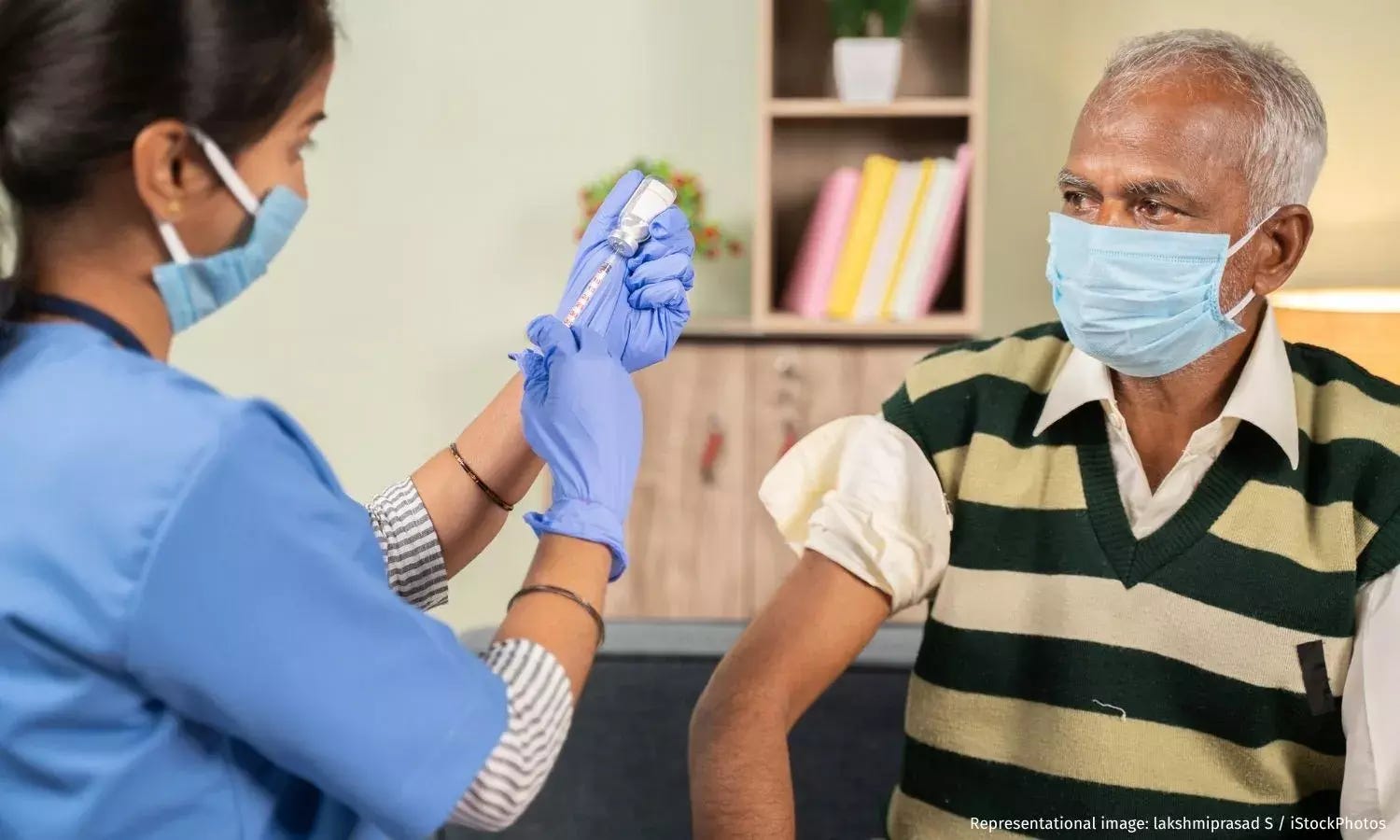
India’s immunisation focus has so far been on infants, children and pregnant women. But with the country’s demographic profile poised to change—the above-60 age group is estimated to compose 15% of India’s population in 2036 as against 12% in 2021—India’s health guidelines will need to adapt, Agam Vora, a chest physician based in Mumbai says.
A flu shot costs Rs 2,000 each, and needs to be repeated every year. For context, the poorest 20% households have a monthly expenditure of Rs 12,000-18,000 for a family of five. Current government programmes do not offer the shot for free.
Read Charu Bahri’s report for more.
That’s all we have for this week. We’ll be back next Saturday with more.