


Dear Reader
Rita (name changed to protect privacy) was diagnosed with mild dementia in 2017, and with Alzheimer’s disease in 2020.
Her son Shantanu (not his real name) describes the pandemic years as “hell”. She called him “dada” (brother), and stared vacantly at her daughter and granddaughter. She tried to leave the house when no one was around—falling twice and requiring hospitalisation.
There were occasional windows of lucidity. She remembered the distant past, but could not make new memories. Five years after her diagnosis, she died last year at the age of 76. In the last decade of her life, she lost more memories than she could make, until her sense of self had nearly vanished.
India currently has 8.8 million people above the age of 60 living with dementia. This number is projected to rise as India ages. But treatment for these conditions is still largely palliative.
Elsewhere, Karnataka’s Mandya district aimed to sow ragi in 63,385 hectares this kharif. By September 11, the district met under 2% of the sowing target. All seven taluks in Mandya have been declared drought-hit.
What Alzheimer’s treatment leaves to families
Research published last year by Harvard Medical School, Boston Children’s Hospital and Rush University examined 27 metals in the brain and blood of older people. It found disrupted lithium levels in the brains of people with mild cognitive impairment and Alzheimer’s disease.
Lithium occurs naturally in the brain and plays several protective roles: It helps neurons communicate efficiently, strengthens the brain’s wiring by adding myelin coating, and repairs existing damage. In mouse models of Alzheimer’s disease, lithium depletion was associated with faster cognitive decline and memory loss.
Administering the salt lithium orotate prevented memory loss and actually reversed it. Whether the finding will translate to people remains unclear. Clinical trials will need to establish both its effectiveness and safety.
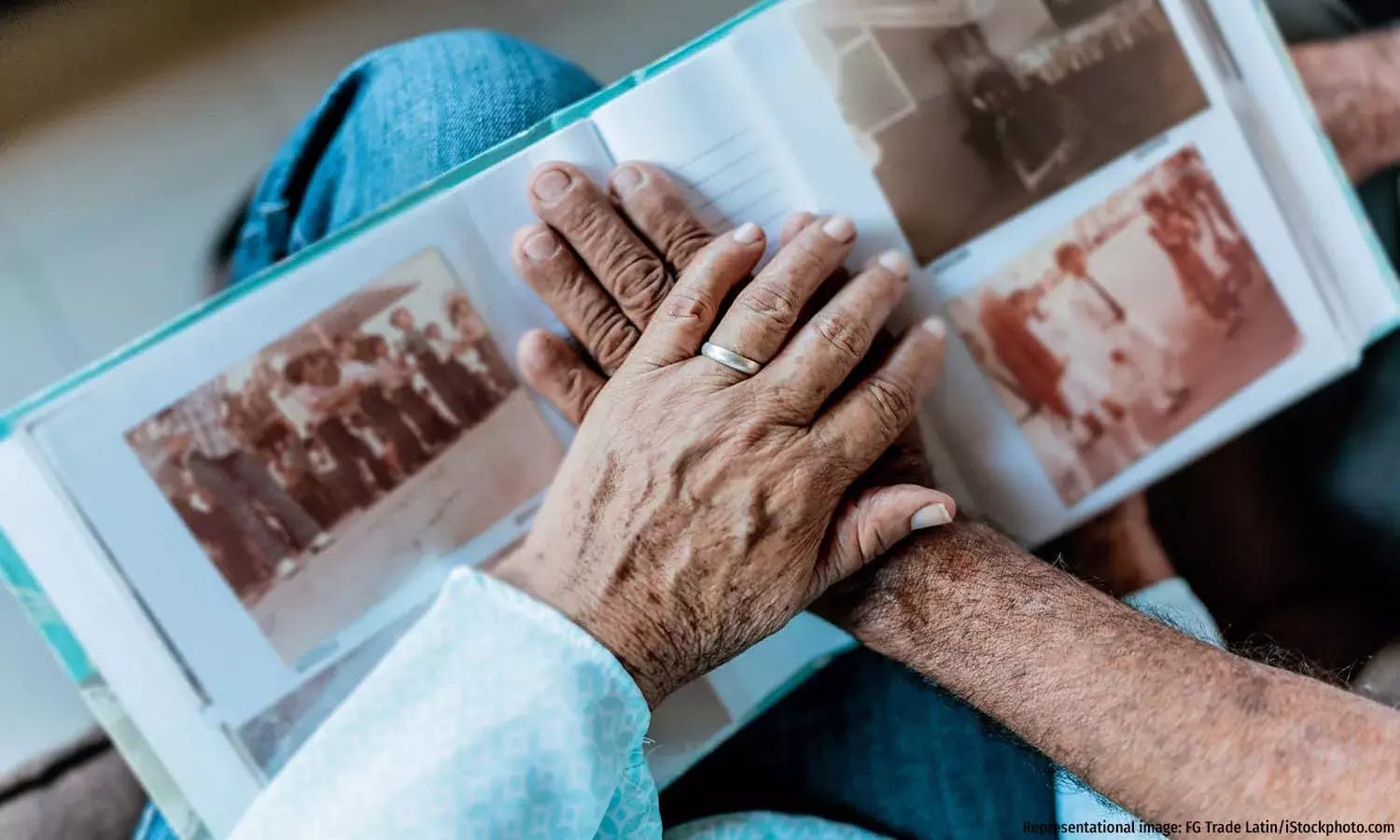
In 2025, India approved the use of two drugs for treating Alzheimer’s. Deepak Nair, associate professor at the Centre for Neuroscience, Indian Institute of Science, says they may delay the progression a little bit, “but they won’t reverse the pathology”.
For patients like Rita, even a delayed progression from current therapies means a few extra years before cognitive collapse.
But the costs are prohibitive for most Indian families. For instance, donanemab needs a monthly IV infusion, and a 20-ml dose is listed for retail sale at Rs 82,602.
Drought in Karnataka’s ragi belt
Shiva Shekhar, a 40-year-old farmer from Padavalapatna village in Mandya district’s Nagamangala taluk, could not sow ragi this kharif.
“I kept waiting for the rain but it never came, so I sowed cowpea instead, which is more drought-tolerant,” he said on September 16. That did not help either. “Due to the lack of rainfall and soil moisture, this crop is also drying up. There seems to be no chance of yield,” he said.
Thirty-five-year-old Rudresh, a resident of Melehalli village in Tumakuru, first transplanted ragi at the end of June, but it dried up. A second attempt in August did not help. “It is drying again; there is no yield this time,” he said.
Rudresh spent Rs 60,000 on the two attempts. He relies entirely on rainfall for his farming.
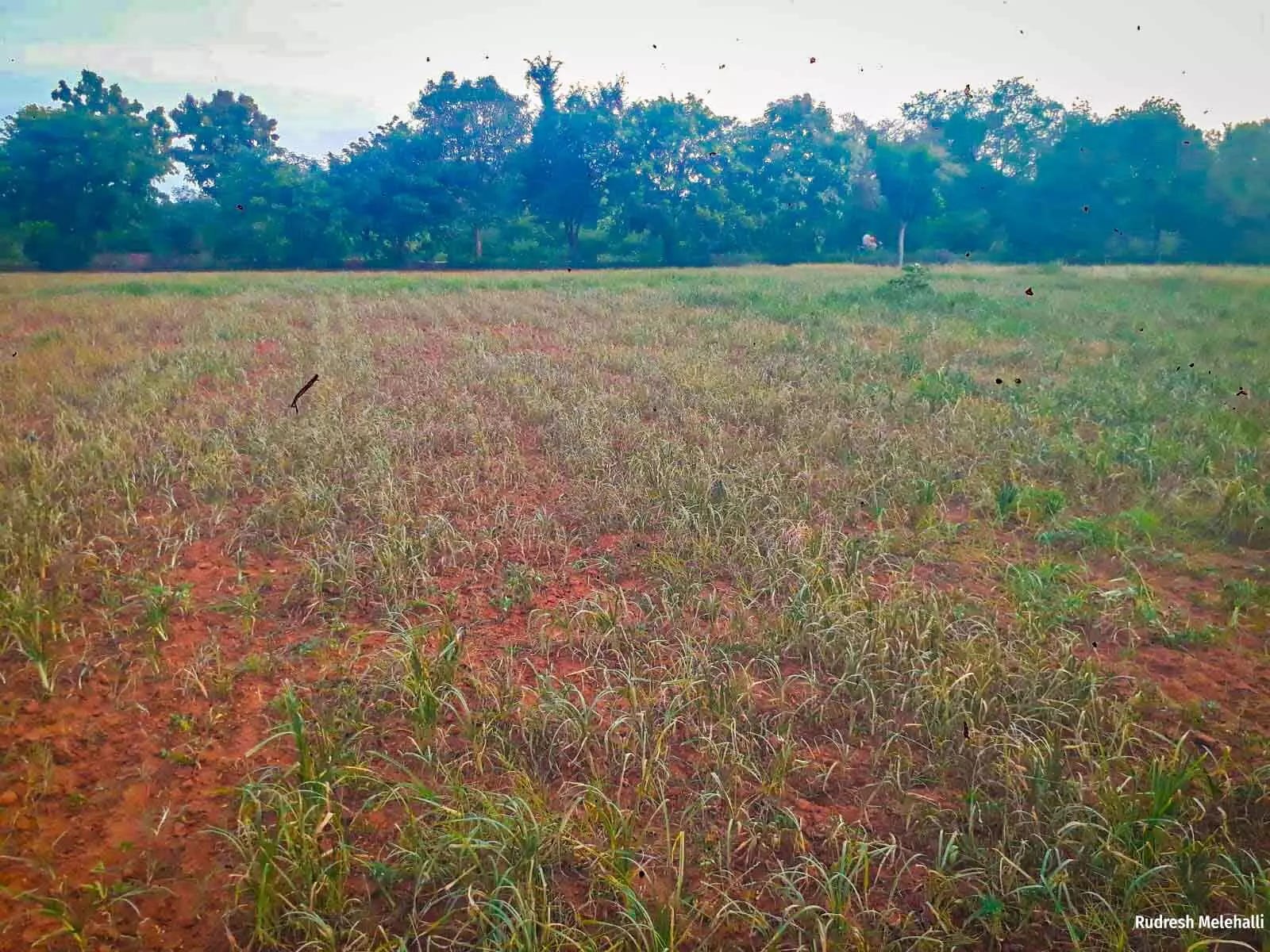
While finger millet (ragi) is “exceptionally drought-resilient once established”, C. Tara Satyavathi, director of ICAR’s Indian Institute Of Millet Research, explained, it requires adequate topsoil moisture during the June-July window to germinate.
In the first 35 days after sowing, ragi has “high natural resilience”. If rains fail, measures such as inter-cultivation to create dust-mulch and conserve moisture can help. But the flowering stage is critical. Life-saving protective irrigation (40–50 mm) via farm ponds or sprinklers can help. But in times of drought, this is difficult in areas with no irrigation and low groundwater levels.
As of September 16, Mandya received 130 mm of rainfall, 45% less than normal. The state, as a whole, had a 30% deficit. Only four districts recorded normal rainfall.
Have a good weekend.